How to Check for Alcohol Before Driving
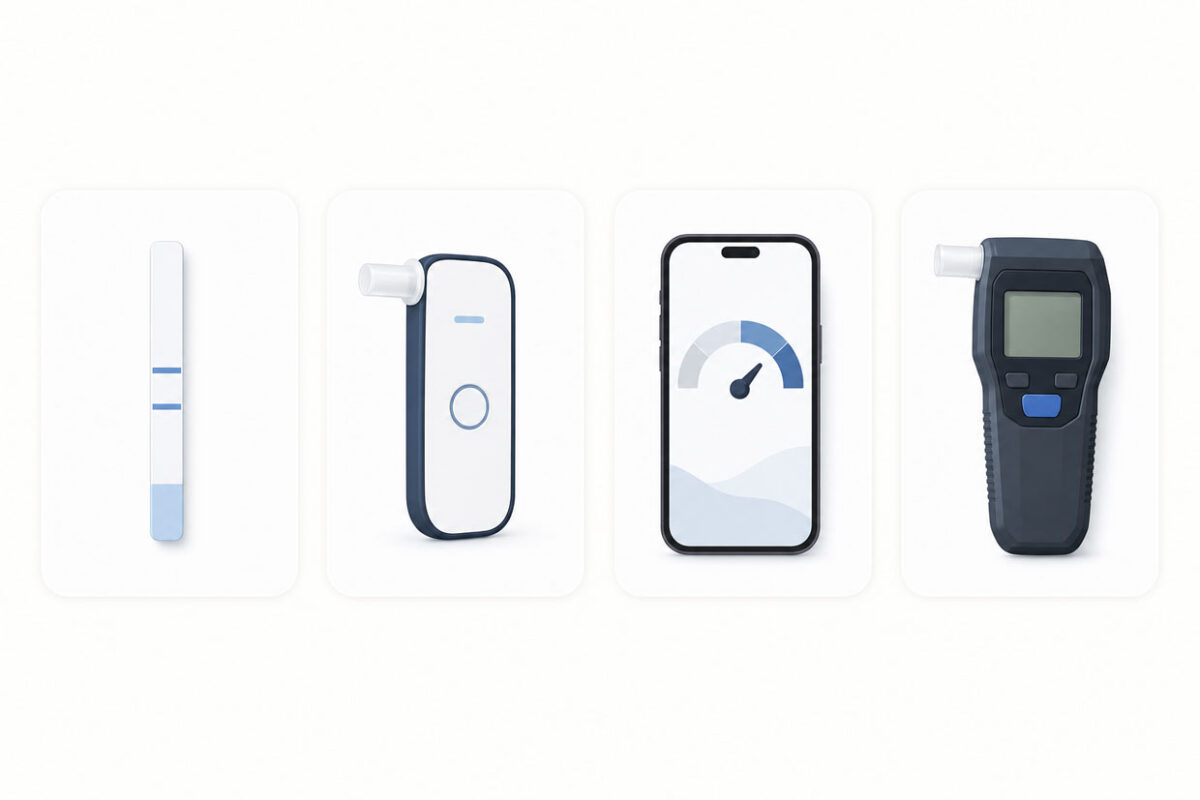
There are several ways to check for alcohol before driving: saliva alcohol test strips, personal breathalyzers and estimate-based apps. But the most important point comes first: no personal test can tell you that you are “safe to drive”.
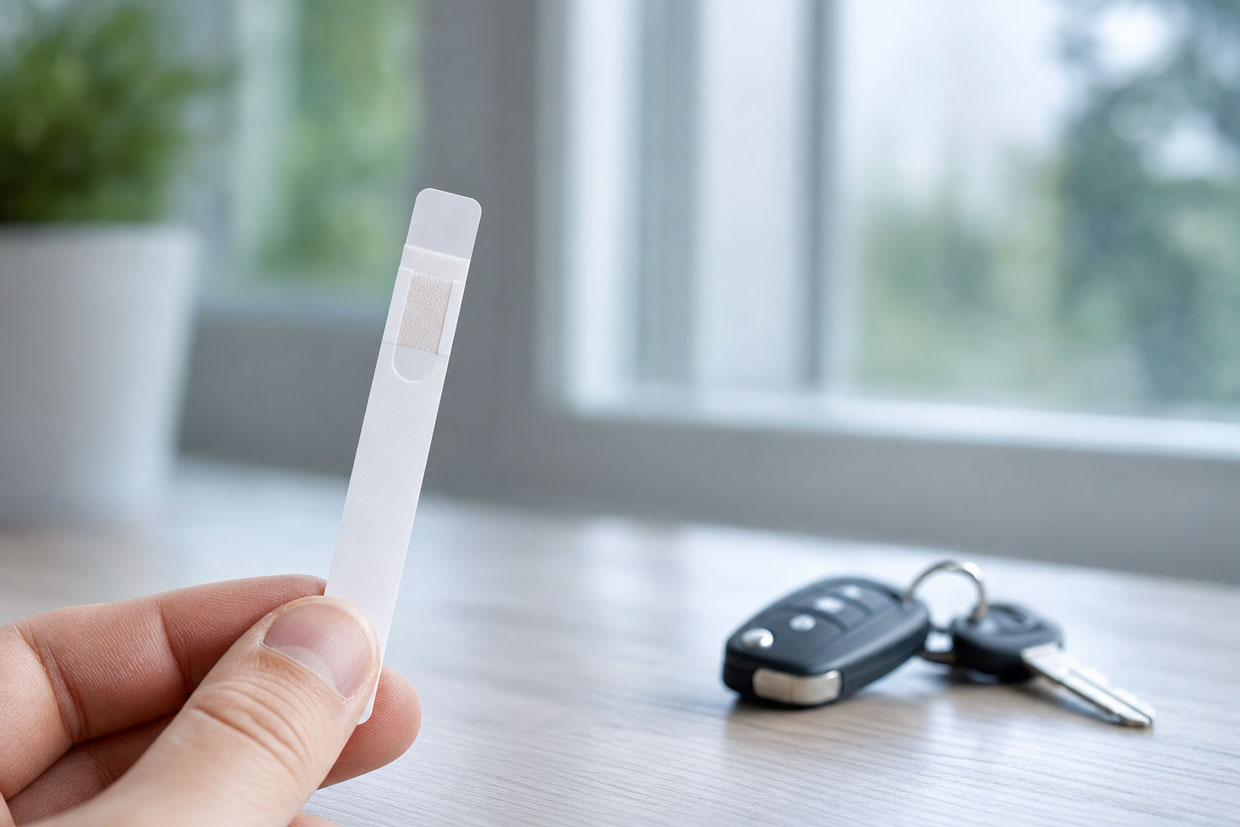
These tools are personal pre-checks that can support a more responsible decision. If the result is positive, do not drive; if you are unsure, do not get behind the wheel.
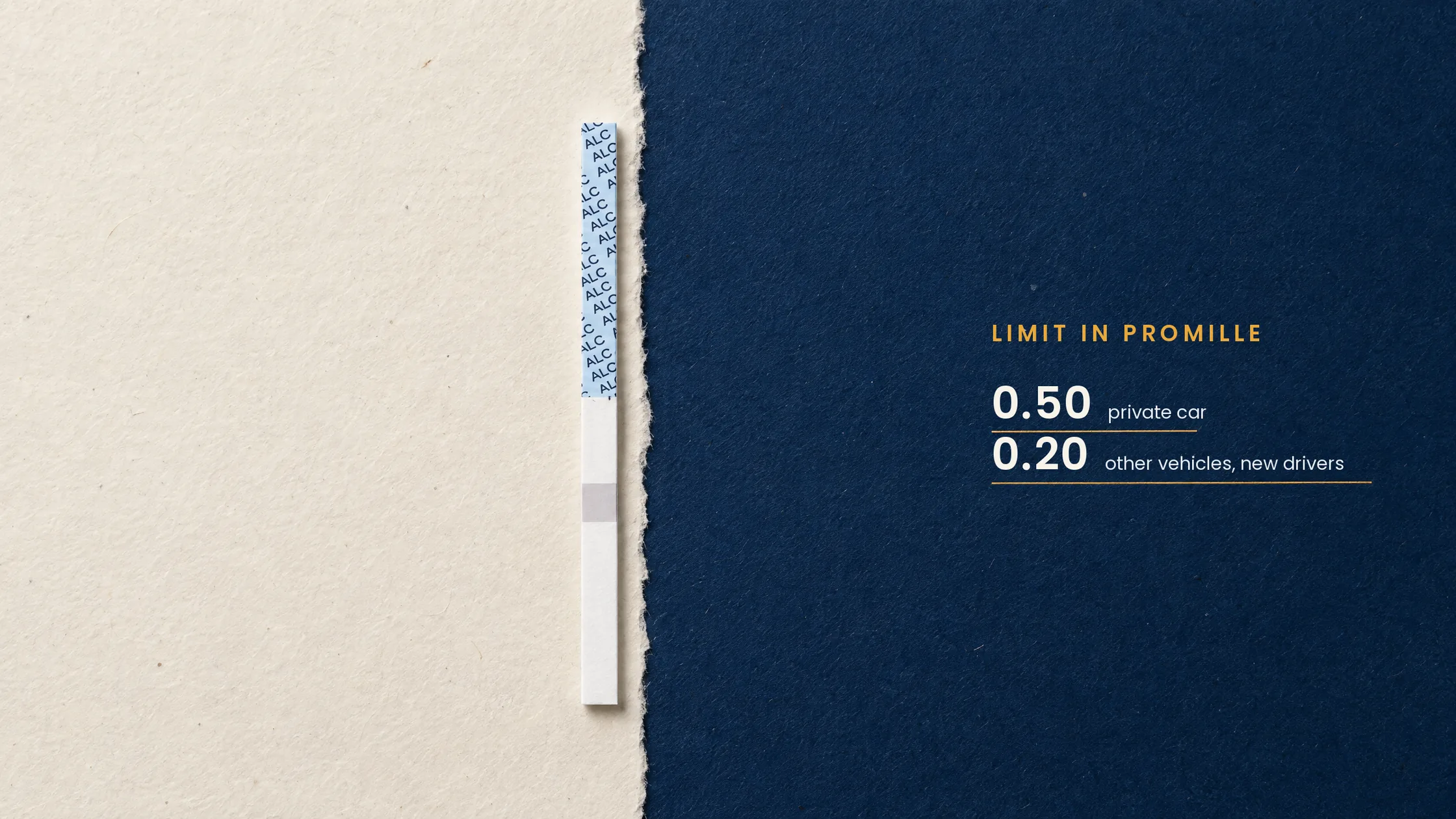
Quick summary: Personal check options include saliva test strips, personal breathalyzers and apps/calculators. - None of them replaces an official breath or blood test, and none gives driving permission. - Saliva strips are portable, fast and do not require a device, battery or calibration. - Personal breathalyzers give a number, but reliability depends on sensor quality, calibration and battery condition. - Apps do not measure alcohol; they only estimate. Do not rely on them alone. - In Turkey, the legal limit is 0.50 promil for private passenger cars and 0.20 promil for commercial/other vehicles according to the Turkish Traffic Department. Novice drivers in their first two licensed years are held to 0.20 promil in any vehicle. - The safest approach is simple: if you are going to drive, do not drink; if you drink, plan not to drive before you start.
First: no personal test can say “you can drive”
If you are reading this, you probably have one question in mind: “Would it be okay for me to drive now?” The honest answer is that no personal alcohol test can answer that question with a clear “yes”.
The Turkish Traffic Department states the principle plainly: there is no safe alcohol limit; the right approach is to drive without drinking at all. Being below a legal limit may reduce the risk of a traffic penalty, but it does not guarantee safe driving. Research cited by the Turkish Traffic Department notes that even around 0.2 promil, mood, attention and behavioural control can already be affected.
So what are personal tests useful for? They are warning and awareness tools. They can give you a fast signal that alcohol may still be present, help you avoid the “I feel fine” trap, and support a more responsible decision. The important thing is to understand them correctly: what they measure, what they do not measure and how to interpret the result. Below, we go through each option.
How is alcohol measured in the body? Breath, saliva, blood and urine
To understand personal tests, it helps to know one thing first: once alcohol enters the bloodstream, it can be detected in different body samples, and each test reads a different signal.
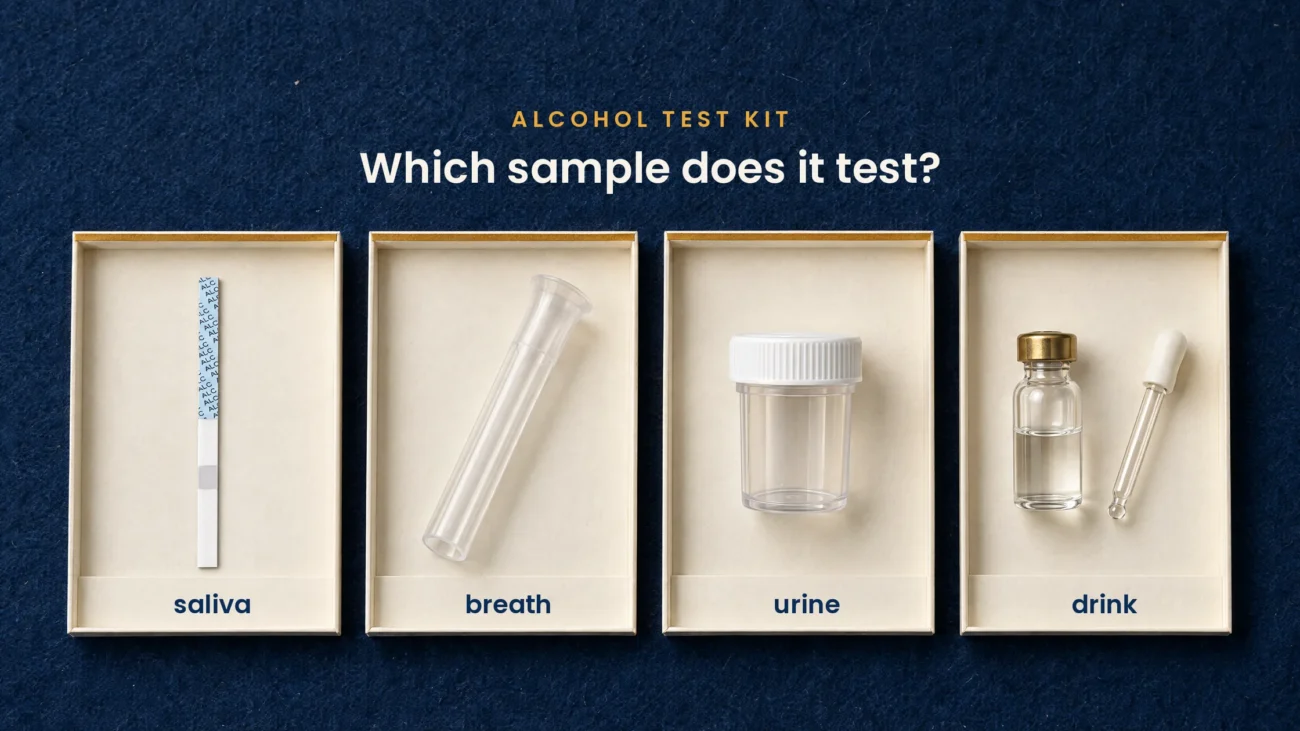
- Blood: Blood testing is the most direct way to measure blood alcohol concentration. It is performed by authorised health or legal bodies and is used in official processes.
- Breath: Alcohol passes from the blood into the lungs and is exhaled. Breathalyzers measure alcohol in the breath and estimate a blood alcohol value. They are fast, but still indirect.
- Saliva: Alcohol in saliva is closely related to blood alcohol. Saliva strips use an enzymatic reaction to show whether alcohol is present in the mouth, making them practical for personal pre-checks.
- Urine: Urine can show whether alcohol was consumed previously, but it is not suitable for a real-time driving decision because urine values do not directly mirror the current blood level.
For a personal pre-driving check, the most practical options are saliva-based and breath-based methods. Let us look at those, plus the other common tools.
Ways to check yourself for alcohol
1) Saliva alcohol test strip
Saliva strips show whether alcohol is present in saliva through an enzymatic reaction. With AlkoSafe, an alcohol oxidase reaction chain is activated and the result is read after about 2 minutes by colour change: no colour change suggests no alcohol detected; a blue/purple colour indicates that alcohol has been detected.
- Advantages: No device, battery or calibration required; fits in a wallet, bag or glove compartment; single-use and hygienic; no technical knowledge needed; stored at room temperature.
- Limits: It is a screening/self-check tool; it does not give an exact promil number and does not replace an official test. Eating, drinking or smoking shortly before testing can mislead the result, so wait at least 15 minutes. Expired or poorly stored strips should not be used.
You can see how the AlkoSafe saliva test works and view the AlkoSafe test strips.
2) Personal breathalyzer
Personal breathalyzers estimate a promil or BAC value from the alcohol in your breath. There are two common types: lower-cost semiconductor sensor devices and more precise fuel-cell devices. How the sensors work and where their errors come from is explained in our guide how does a breathalyzer work.
- Advantages: Shows a number; can be used repeatedly; some models connect to a phone.
- Limits: Accuracy depends heavily on device quality. Cheap semiconductor models can drift over time and give inconsistent results; regular calibration and a healthy battery matter. If you test right after drinking, residual mouth alcohol can make the number look higher than it is, so wait 15-20 minutes before measuring. A personal device result is not legal proof.
3) Phone apps and alcohol calculators
These apps estimate alcohol levels from inputs such as your weight, number of drinks and time passed, often using a general formula such as Widmark.
- Advantages: Free, fast and useful for rough planning.
- Limits: They do not measure anything; they only estimate. They cannot know your actual metabolism, liver function, stomach contents or medication use. Do not rely on an app alone for a driving decision.
4) Official method: police breath test and blood test
The only legally valid measurements in traffic are official calibrated breath tests performed by authorities and, when required, blood tests. Personal tests do not replace those measurements and cannot be used as proof against an official result. They are for personal awareness only.
Method comparison
Method | What it does | Advantages | Limits |
Saliva strip (AlkoSafe) | Personal alcohol present/not detected pre-check | Device-free, portable, fast, hygienic | No exact number; screening/self-check only; not official |
Personal breathalyzer | Estimated promil/BAC value | Numeric result, reusable | Calibration/battery; quality dependent; not legal proof |
App/calculator | Produces an estimate | Free, quick | Does not measure; unreliable on its own |
Official breath/blood test | Official measurement | Legally valid | Performed only by authorised bodies |
How to do a personal saliva pre-check in 3 steps
1
Open
2
Test
Place the absorbent end under your tongue and wait about 2 minutes.
3
Read
If there is no colour change, alcohol has not been detected; if any blue/purple colour appears, alcohol is present – do not drive.
Important: Wait at least 15 minutes after eating, drinking or smoking before testing; otherwise residue in the mouth can mislead the result.
What makes a personal test more reliable?
Personal tests are useful when used correctly. For the result to mean something, pay attention to:
- Timing: Wait at least 15 minutes after eating, drinking or smoking. Testing too early is one of the most common sources of misleading saliva and breath results.
- Storage and expiry: Keep strips sealed, cool and dry; do not use expired products. For breathalyzers, battery condition and calibration must be current.
- Instructions: Each product has its own instructions. Waiting time and result reading can vary.
- Do not blindly trust one result: A test is a signal, not an absolute truth. If you do not feel fit to drive, do not drive, regardless of the result.
When is a personal check especially useful?
- The morning after: Alcohol can still be present the next morning after a night of drinking. Sleep does not remove alcohol; a pre-check can act as a warning signal.
- Before a long trip: If you drank the previous evening, checking before a long drive can support awareness.
- After social events: Weddings, New Year celebrations and dinners can make people underestimate alcohol. Checking is better than guessing.
- Workplace and fleet safety: In logistics, transport or shift work, quick pre-shift screening can be a practical awareness tool.
In all of these situations, the common point is this: a personal test can support your decision, but it does not make the decision for you.
How should you interpret the result?
- Positive result (colour change / high value): Treat it as a clear “do not drive” signal. Do not drive.
- Negative result (no colour change / low value): It may suggest a lower alcohol signal, but it is not permission to drive. If you drank recently, feel tired or impaired, or are unsure, do not get behind the wheel.
Remember: how you feel does not show your blood alcohol level. A headache going away does not mean the alcohol is gone. You may feel normal while alcohol is still present or even above the legal limit.
Common mistakes
- Testing too early: Testing immediately after drinking can be misleading because of residual mouth alcohol.
- Trusting how you feel: “I feel fine” is one of the most dangerous assumptions.
- Relying on coffee, shower or exercise: These do not remove alcohol; only time and liver metabolism do.
- Trusting only an app: An app estimates; it does not measure.
- Treating one negative result as permission: A negative result is not driving clearance.
Why “I only had a little” is the most dangerous thought
This is where personal tests become most useful. As alcohol is consumed, judgement and perception decline, while confidence often increases. The Turkish Traffic Department points to the same problem: reduced judgement and emotional control can create false confidence in drivers, making the situation even more dangerous.
In other words, the riskiest moment can be the moment when you feel “fine”. The thought “I only had one or two drinks, I am okay” is common precisely because alcohol can affect the ability to judge yourself. That is why an objective pre-check matters. If the test is positive, “but I feel okay” does not change the result: do not drive.
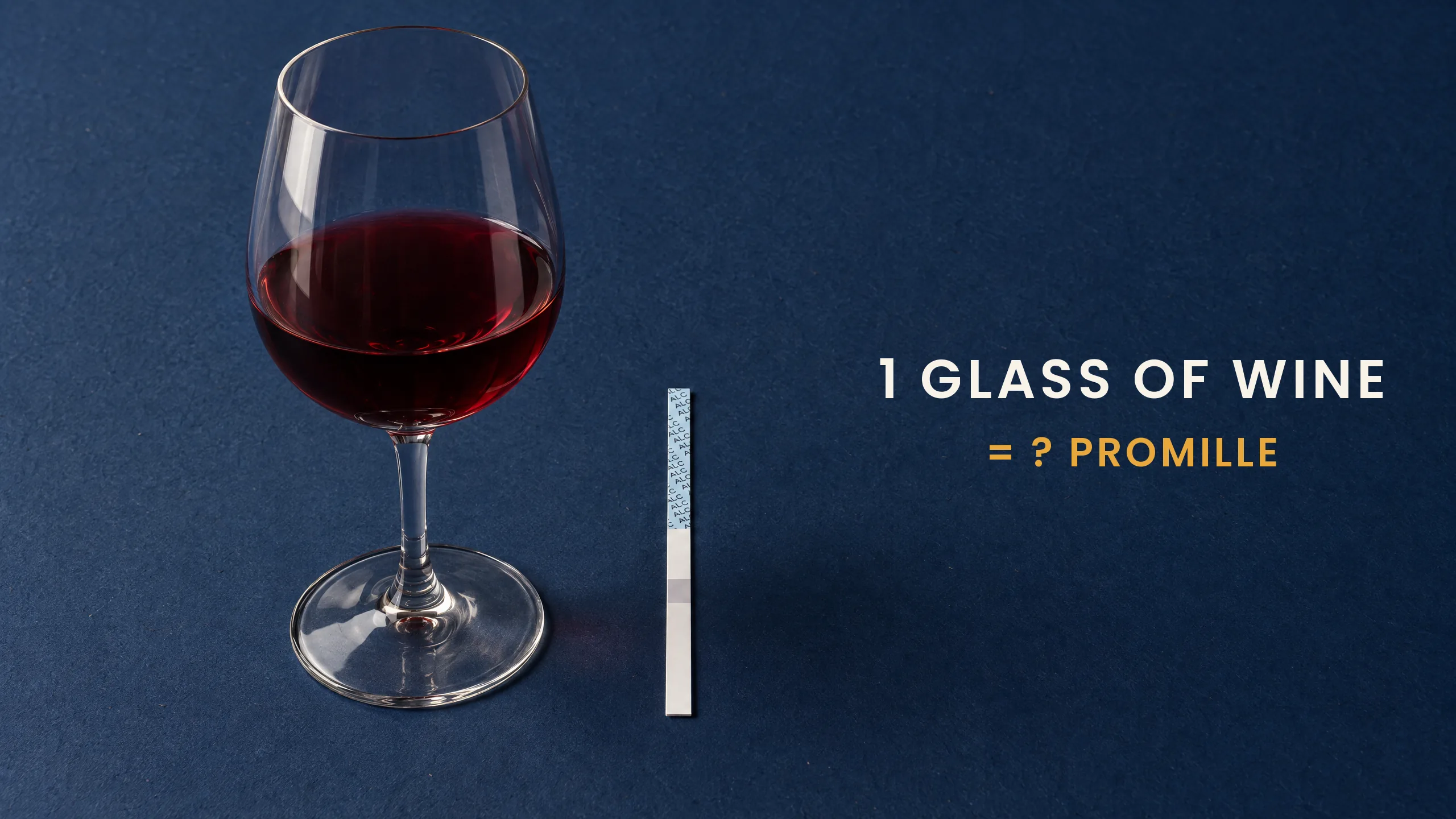
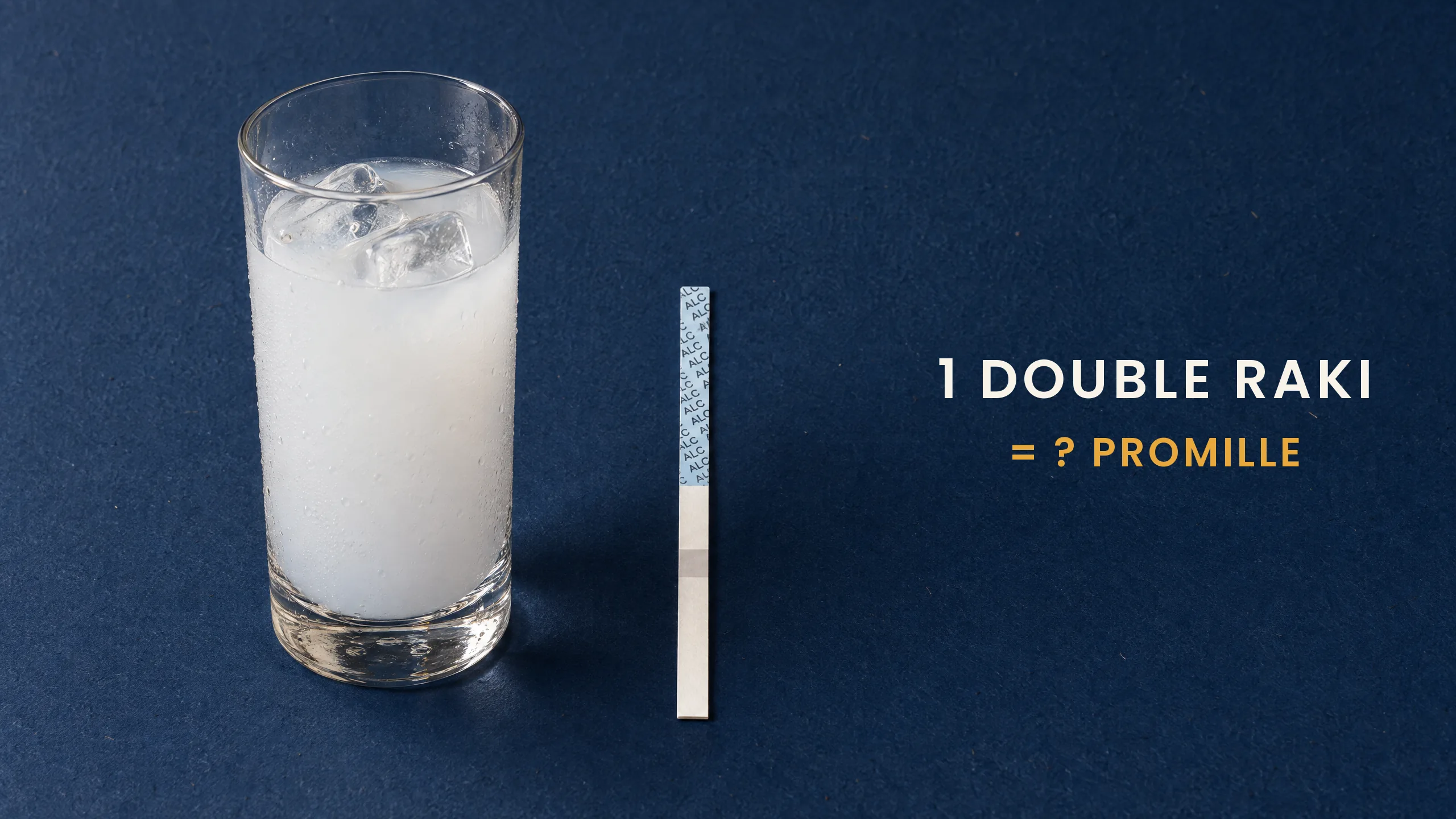
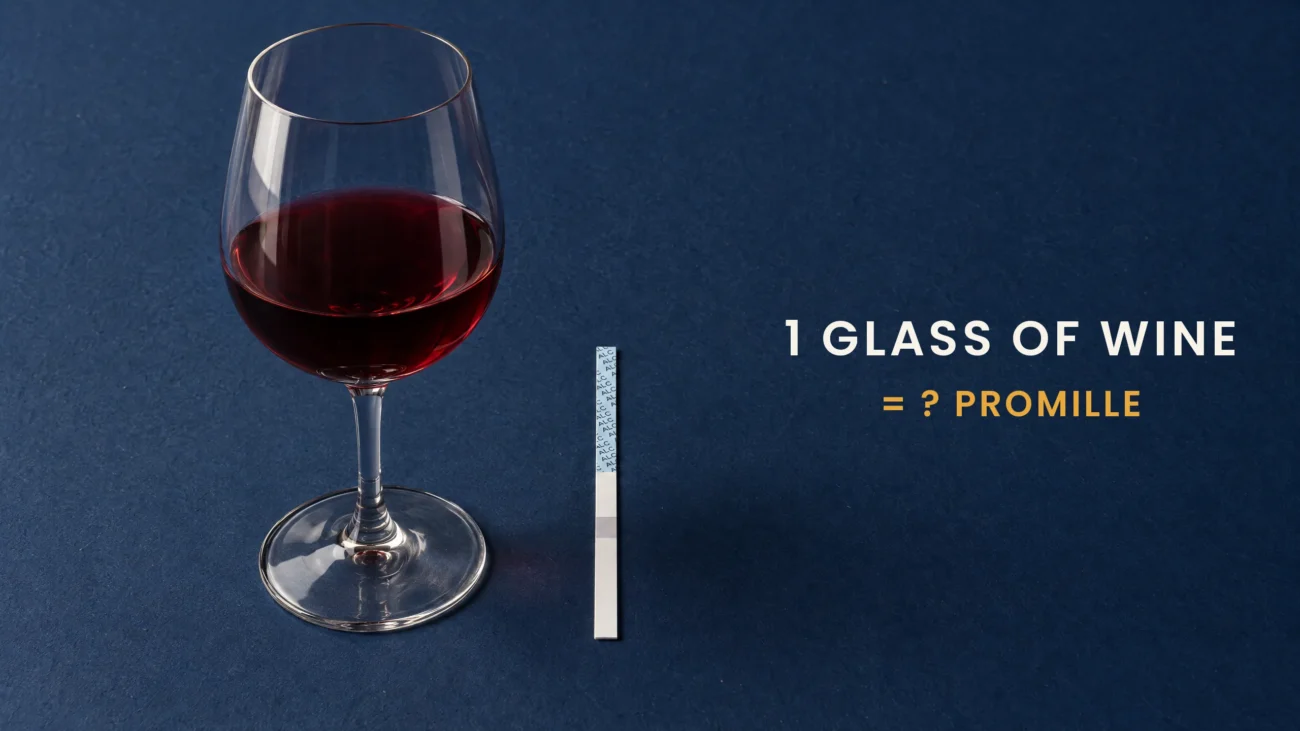
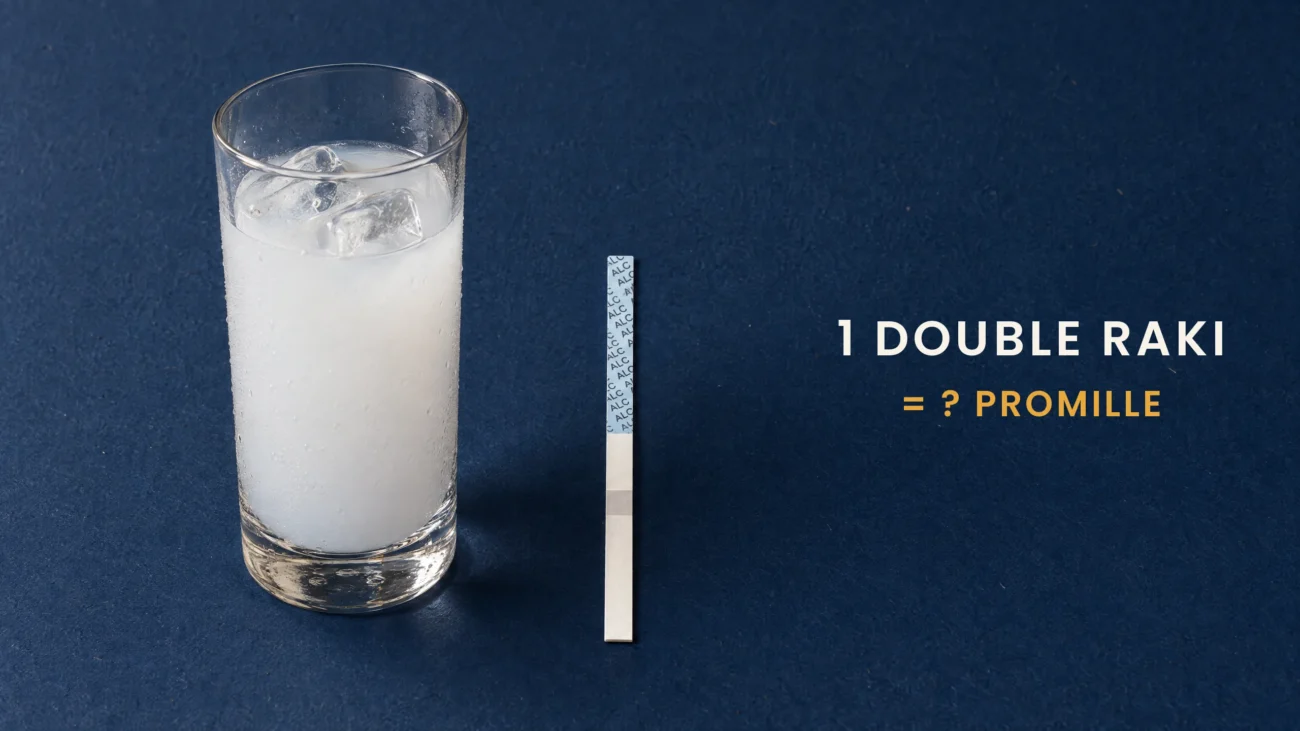
The same applies to “light” drinks. Beer and wine are often treated as harmless, so people drink more of them. But a standard beer, a glass of wine and a single measure of spirits can contain broadly similar amounts of alcohol. “I only had beer” does not mean you are clear.
Turkey alcohol limits: short reminder
According to Turkey’s Traffic Department, the legal limit depends on the vehicle type: 0.50 promil for private passenger cars and 0.20 promil for commercial and other vehicles. Novice drivers in their first two licensed years are held to 0.20 promil in any vehicle. Promil measures the weight of alcohol in blood; describing 0.50 promil as “50 percent drunk” is incorrect, because 0.50 promil is a very small ratio. The key point is this: being below a legal limit may reduce penalty risk, but it does not guarantee safety. For the full topic, see our article: How Long After Drinking Can You Drive?.
The safest method: decide before drinking
No test can fully remove uncertainty after drinking. The safest approach is to decide before you start:
- If you will drive, do not drink.
- If you will drink, choose a designated driver or use a taxi/public transport.
- A personal test, such as a saliva strip, is useful to support awareness, not to replace the decision.
Final word
Checking yourself for alcohol before driving is always better than guessing. A saliva strip, breathalyzer or app can all create awareness, but none of them says “you can drive” and none replaces an official test. The most responsible choice is not to drive after drinking and to make that decision before you start. Carrying a saliva self-check gives you one more concrete signal for that decision – a simple way to protect yourself, your licence and everyone else on the road. You can view the AlkoSafe saliva alcohol test.

For a personal check without buying a device: the AlkoSafe saliva alcohol test. Its stated detection threshold is 0.20‰.
- 5 test strips$12.76 $2.55 per stripAdd to cart
- 10 test strips$21.56 $2.16 per stripAdd to cart
- 20 test strips$34.10 $1.71 per stripAdd to cart
Personal saliva screening does not replace an official alcohol test. A negative result does not show that driving is safe.
Frequently Asked Questions
How can I check for alcohol at home before driving?
You can use a saliva alcohol test strip or a personal breathalyzer. A saliva strip does not require a device and shows an alcohol detected/not detected result in about 2 minutes. Neither option replaces an official test or gives permission to drive.
How do I know if I am still under the influence of alcohol?
The most useful personal approach is to use a saliva test or breathalyzer as a pre-check. How you feel is not a reliable indicator; feeling sober does not mean alcohol is gone.
Is a saliva alcohol test or breathalyzer better?
They serve different purposes. A saliva strip gives a fast, device-free alcohol present/not detected pre-check. A breathalyzer gives a number, but it needs calibration and battery power, and reliability depends on device quality. For everyday practical checks, a saliva strip is often easier to carry and use.
Is a saliva alcohol test accurate?
AlkoSafe provides a high-sensitivity personal pre-check. However, it is a screening/self-check tool; it does not give an exact promil number and does not replace an official breath or blood test.
Do phone apps measure alcohol level?
No. Apps do not measure alcohol; they estimate based on the information you enter. Because they cannot know your actual metabolism, they should not be trusted for a driving decision.
If the test is negative, can I drive?
A negative result may suggest a lower alcohol signal, but it is not permission to drive. If you drank recently or are unsure, do not drive.
How long should I wait before testing?
Wait at least 15 minutes after eating, drinking or smoking; otherwise residue in the mouth can mislead the result.
What is the difference between AlkoSafe and an official breathalyzer?
An official breathalyzer is a calibrated device used by authorities to measure a legal value. AlkoSafe is a portable, device-free personal self-check that shows whether alcohol is detected in saliva; it does not give a legal result and does not replace an official test.
Can I use one AlkoSafe strip more than once?
No. The strips are single-use. Once the strip contacts saliva, the enzymatic reaction has taken place; use a new strip for each check.
Can smoking or energy drinks affect the result?
Wait at least 15 minutes after smoking because residue in the mouth can affect the result. Energy drinks do not remove alcohol; they may only make you feel more alert and create false confidence.
Is a personal test result valid in traffic?
No. In traffic, only official measurements by authorised authorities, and blood tests when required, are valid. Personal tests are for your own awareness only.
Sources
- Turkish Ministry of Interior, General Directorate of Security, Traffic Department - Alkollu Arac Kullanimi
- Turkish Highway Traffic Law No. 2918, Article 48/5
Related Articles
Search
Recent Posts
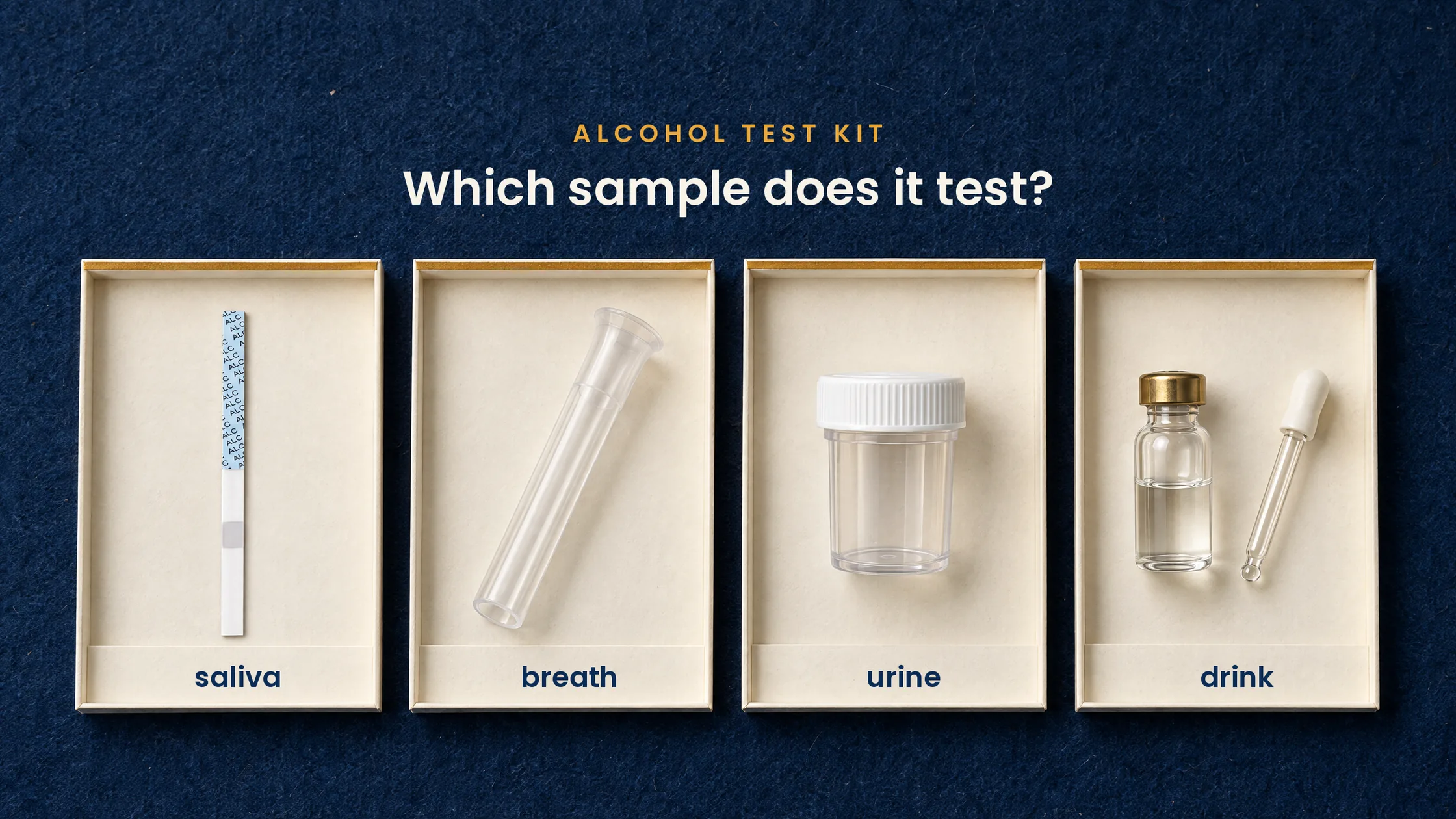
Alcohol test kits: which kit tests what? Six checks before you buy
Turkey’s 0.20‰ limit: which drivers and vehicles it covers
Newsletter
AlkoSafe saliva alcohol test
For a personal check without buying a device: the AlkoSafe saliva alcohol test. Its stated detection threshold is 0.20‰.
- 5 test strips$12.76 $2.55 per stripAdd to cart
- 10 test strips$21.56 $2.16 per stripAdd to cart
- 20 test strips$34.10 $1.71 per stripAdd to cart
Personal saliva screening does not replace an official alcohol test. A negative result does not show that driving is safe.

